
Sicilian women writers to read at least once: 7 female voices that tell the soul of the island
 Sicily is an island that can be experienced with all the senses. The dazzling light on baroque stone, the scent of orange blossoms in the air, the sound of the sea echoing through narrow streets. Yet there is an even more intimate way to discover it: by reading it. Doing so through the words of Sicilian women writers means entering a deeper dimension, often less explored, made of memory, identity, rebellion and roots. In a literary landscape often dominated by great male names, the female voices of the island have built powerful narratives capable of telling Sicily from new, courageous and necessary perspectives. Whether you are planning a trip or simply want to feel the island resonate through the pages of a book, these are the authors you should read at least once.
On the occasion of March 8th, we celebrate Sicily through some of its most intense and fascinating voices: those of women writers. Women who, with their talent and sensitivity, have portrayed the island in all its nuances, bringing prestige to Sicilian culture in both the Italian and international literary landscapes. From authors of the past to leading figures of contemporary fiction, Sicilian women writers have transformed personal stories, collective memory and the island’s identity into unforgettable pages. Discovering them means embarking on a journey through words, emotions and landscapes that speak deeply of Sicily.
Maria Messina: the quiet Sicily of women
Forgotten for decades and later rediscovered, Maria Messina is one of the most powerful voices of early twentieth-century Sicilian literature. Born in Palermo and raised in several towns across the island, she portrayed the female universe with extraordinary sensitivity in a closed, patriarchal Sicily shaped by conventions and silence. In her short stories and novels – such as The House in the Alley – women emerge suspended between a desire for freedom and the constraints of social expectations. Hers is a domestic Sicily made of courtyards, restrained glances and unspoken dreams. Reading her today reveals how many of those inner conflicts remain strikingly relevant. Perfect for a slow afternoon, perhaps while sitting in a Sicilian historic center where time seems to move at the same rhythm as her pages.
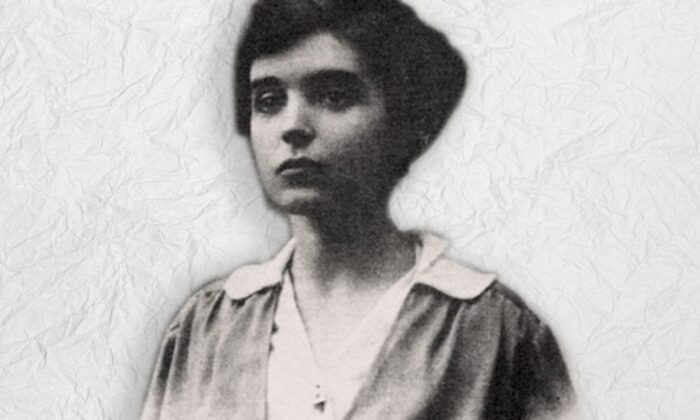
Goliarda Sapienza: rebellion, identity and freedom
If there is a name that has gained renewed attention in the international literary scene in recent years, it is Goliarda Sapienza. Born in Catania, unconventional and intense, she is the author of one of the most groundbreaking novels of twentieth-century Italian literature: The Art of Joy. Its protagonist, Modesta, is a free, complex woman who was scandalous for her time. Through her story, Sapienza depicts a Sicily shaped by passion, social contradictions and political transformation. Above all, she tells the story of female self-determination. Reading Goliarda means engaging with a powerful, visceral style. It is a reading experience that shakes you. The Sicily that emerges is a place of energy, conflict, sensuality and critical thought.
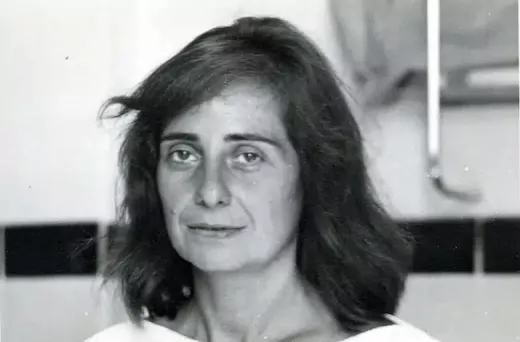
Dacia Maraini: Sicily as a land suspended between charm and social rigor
Although not born in Sicily, Dacia Maraini is deeply connected to the island through her mother’s family. In her works, atmospheres, memories and stories often intertwine personal and collective history. Novels such as Bagheria offer an intimate view of aristocratic Sicily, its family homes, landscapes and the contradictions of a land suspended between beauty and rigid social structures. Her writing is clear, refined and never distant. Through Maraini, Sicily becomes a place of memory, an emotional archive where past and present constantly converse.
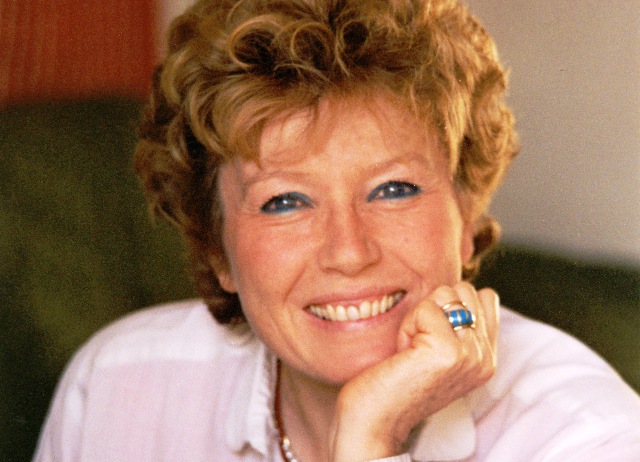
Silvana Grasso: language, myth and ancient roots
Less mainstream yet extraordinarily powerful, Silvana Grasso brings to her works a nearly archaic Sicily steeped in myth and tradition. Her language is rich, forceful and at times harsh, deeply rooted in the territory. In her novels, Sicily is not merely a setting but a living body: earth, blood and ancestral memory. Her work requires attentive reading but rewards the reader with intense imagery and deep suggestion. Perfect for those who appreciate fiction that explores the deepest roots of Sicilian identity.
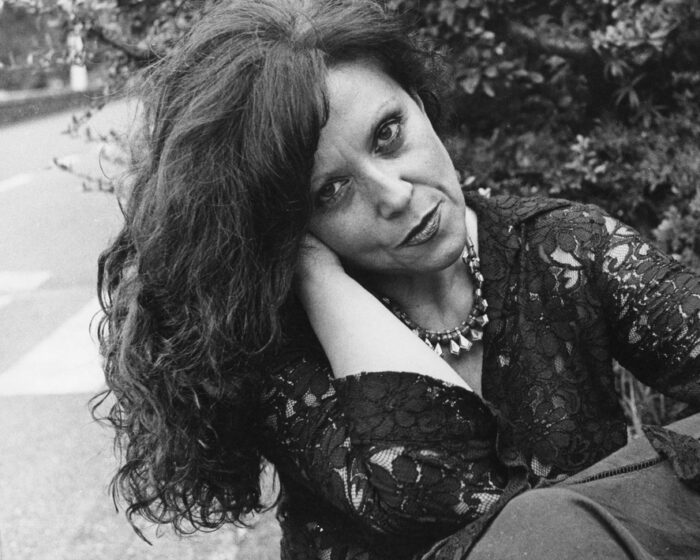
Viola Di Grado: the new generation of Sicilian women writers
Among contemporary Sicilian women writers, Viola Di Grado represents an original and international voice. Born in Catania, she made her debut at a very young age with Seventy Percent Acrylic Thirty Percent Wool, a novel that captivated both readers and critics. Her writing is modern and restless, often set outside Sicily yet permeated by a strong sense of identity that remains rooted in the island. She proves that the new generation of Sicilian authors can engage with the world without losing their origins. Reading her means discovering a Sicily that is less folkloric and more existential, capable of speaking to global readers.

Stefania Auci: the epic and entrepreneurial Sicily
With The Lions of Sicily, Stefania Auci brought the island back to the center of contemporary Italian historical fiction. Her story of the Florio family became a publishing phenomenon and rekindled interest in a nineteenth-century Sicily that was dynamic, ambitious and international. Through the Florio saga, Auci portrays a Palermo in constant motion, an island that is not only about backwardness and fatalism but also vision, entrepreneurial courage and social transformation. Her writing is accessible yet solid, skillfully blending historical reconstruction with narrative pace. Reading her means discovering a Sicily that dares, competes and builds commercial empires. It is perfect for readers who love family sagas and want to understand how Sicilian identity is also shaped by ambition and modernity.
Simonetta Agnello Hornby: family, memory and justice
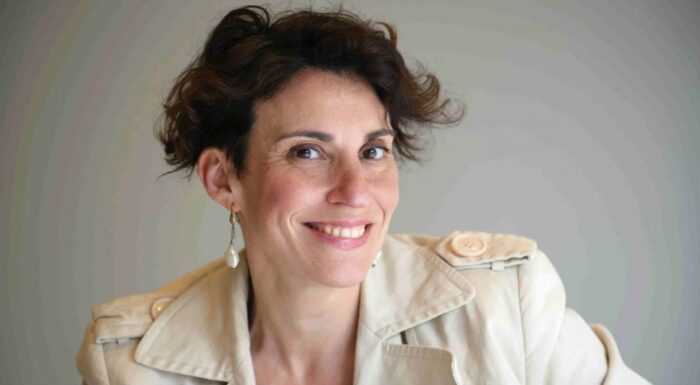
Born in Palermo and living in London for many years, Simonetta Agnello Hornby is one of the most beloved voices in contemporary Italian fiction. In her novels, Sicily often becomes a silent protagonist, shaped by complex family dynamics, class issues and profound reflections on social justice. Through works such as The Almond Picker, the author explores the microcosm of a Sicilian community, dismantling prejudices and social hierarchies. Her writing is elegant, ironic and sometimes merciless in revealing hypocrisy and contradictions. Reading her means entering an intimate Sicily made of relationships, secrets, power and vulnerability, a Sicily that speaks about family but also about rights, responsibility and civic conscience.
Why read Sicilian women writers today
Reading Sicilian women writers is not only a cultural gesture. It is a way to connect with another narrative of the island, one that speaks about:
-
female identity
-
social conflicts
-
family memory
-
transformation
-
the desire for freedom
It is a Sicily that moves beyond stereotypes – mafia, sun and folklore – and reveals itself as complex, layered and alive. If you are planning a trip to Sicily, you can turn reading into an immersive experience: read Goliarda in Catania, Maria Messina in Palermo, Maraini in Bagheria. Let the words accompany the places.
An island told through the voices of Sicilian women writers
Literature is an invisible map. And Sicilian women writers have drawn paths that deserve to be rediscovered, reread and celebrated. In a time when empowerment and new narratives are increasingly discussed, these authors remind us that Sicilian women have always had something to say. Even when no one wanted to listen.
